Rufous Bettong
Aepyprymnus rufescens
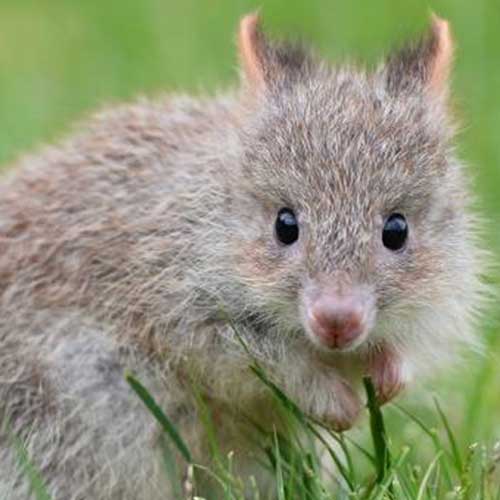
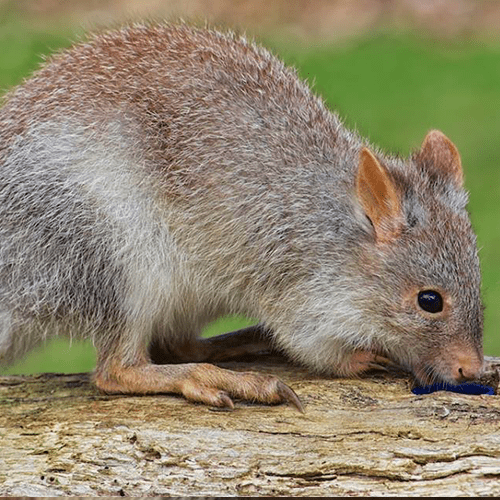
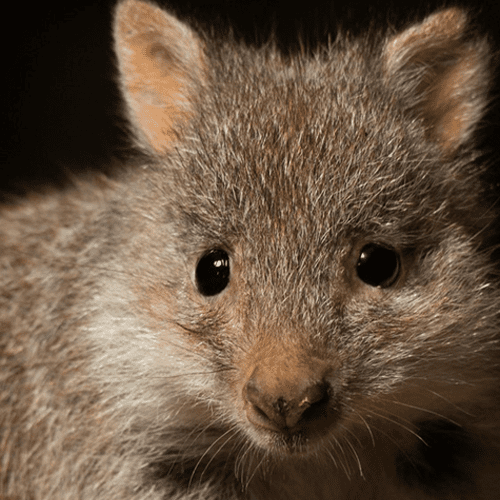
The Rufous Bettong is the largest member of the potoroid family, the smaller relatives of kangaroos and wallabies. Despite their modest size, they are remarkably active, capable of travelling up to 4.5 km in a single night.
These bettongs play a vital role in maintaining healthy ecosystems. Often referred to as “Ecological Engineers”, their regular digging helps break down leaf litter, reducing fuel loads and lowering fire risk. Their movements, from their paws to their snouts, help disperse native fungal spores and plant seeds across the landscape, supporting forest regeneration and biodiversity.
Diet
Rufous Bettongs feed primarily on grasses, herbs, roots, tubers and fungi. They obtain most of their moisture from their food and typically only drink water during extended dry periods.
Habitat
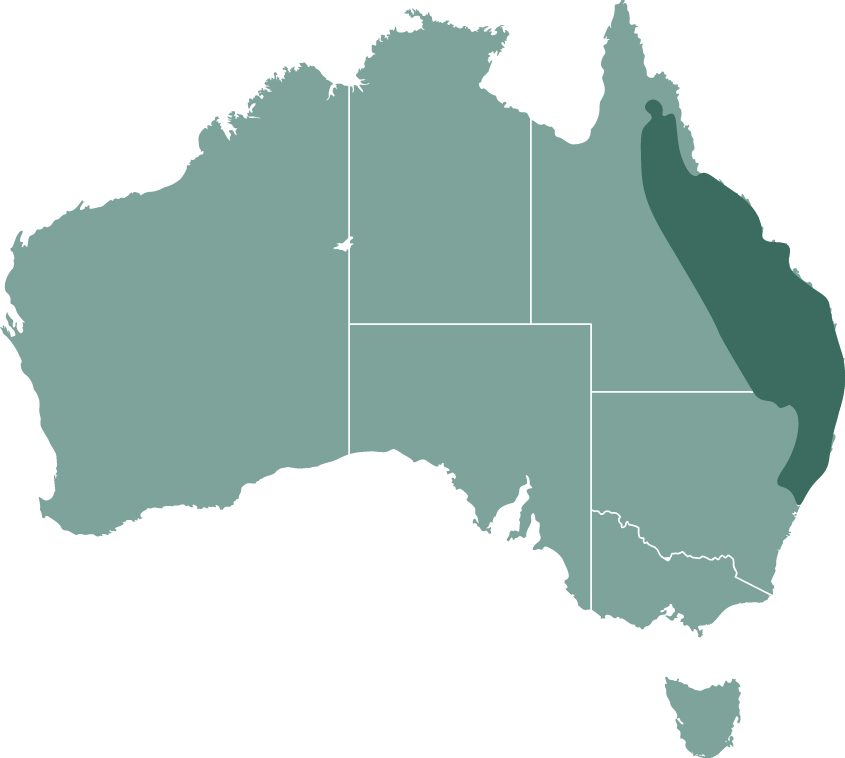
This species is found in a range of forested environments, from tall eucalypt forests to open woodlands. They favour areas with a dense native grass understory, which offers essential shelter and protection.
Breeding
Rufous Bettongs may live solitarily or in pairs and are capable of breeding throughout the year. Following a short 24-day gestation period, females give birth to a single young, which develops in the mother’s pouch. The juvenile becomes independent at around 31 weeks, allowing females to raise up to three offspring each year.
Our Rufous Bettongs can be viewed during Night Tours and the Conservation in Action Show.