THREATS AND CONSERVATION
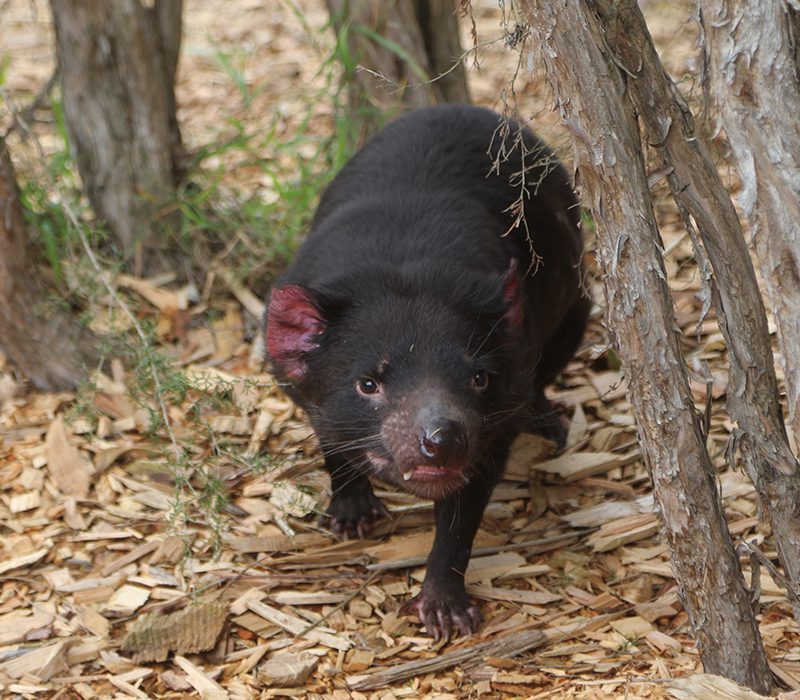
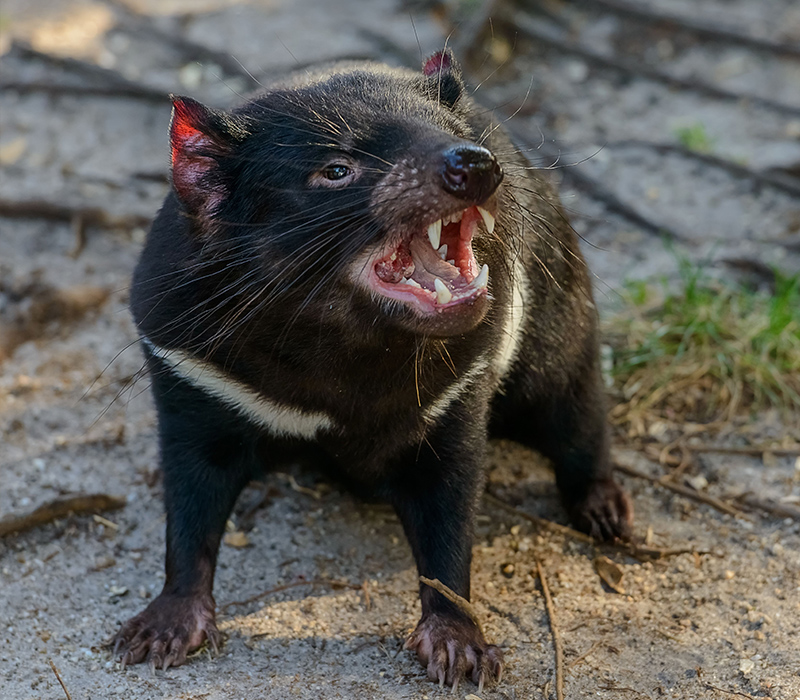
Tasmanian devils face extinction in the wild because of a contagious cancer that appeared in 1996 called Devil Facial Tumour Disease. This is characterised by cancers around the mouth and head that prevent the animal from feeding, drinking causing starvation and dehydration. The tumours also damage the respiratory and other essential bodily systems and usually results in death. Fighting over food sources, den sites or mating opportunities allows the disease to spread through physical contact. Devil Facial Tumour Disease is one of only a handful of known transmissible cancers, however in 2014, a second, similar but unique, transmissible cancer was discovered in Tasmanian Devils. Scientists are still unsure as to why devils appear so susceptible to these cancers, but low genetic diversity is thought to be a likely cause. The number of devils has declined by over 80% since the mid-1990’s, with some regions of Tasmania seeing over 95% local population declines. The species is listed as Endangered.
There is no current cure for Devil Facil Tumour Disease, although there is now believed to be some level of immunity in the wild population slowly evolving, with some wild animals recovering from the disease over time and animals now living with the disease for longer periods of time, allowing successful breeding and young rearing to occur. Research is also ongoing into vaccination efforts, both for wild animals and for released captive bred individuals.
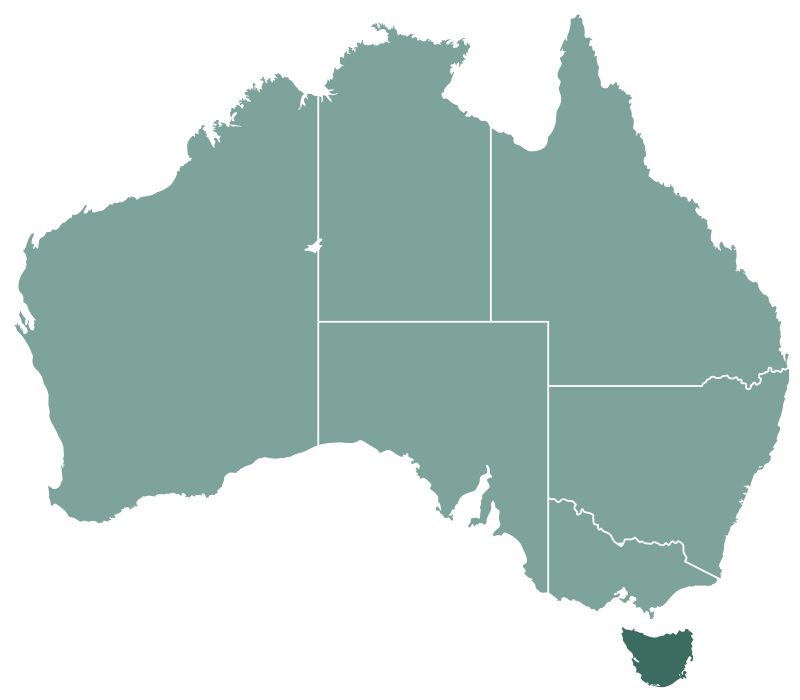
Several captive bred releases have occurred throughout Tasmania to boost numbers and genetic diversity within populations. A safe haven away from the disease has also been established on Maria Island, where Tasmanian Devils were previously not found.
Other threats include ever increasing roadkill, habitat loss and use of poisons and rodenticides.
In response to the population decline, a managed population of around 400-500 animals has been established in wildlife parks and zoos across Australia as an insurance population. Moonlit Sanctuary houses both breeding animals and post reproductive animals on behalf of the program.